

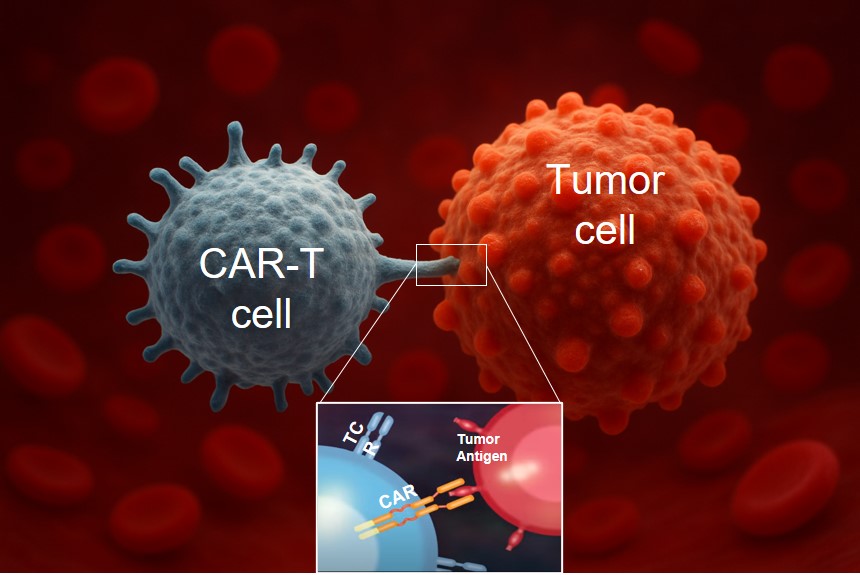
Laboratory of Experimental Immuno-Hematology
Study and characterization of the morphological, immunological, and genetic–molecular features that are predictive of response to therapy, including conventional treatments, CAR-T cell therapy, bone marrow or hematopoietic stem cell transplantation, and solid organ transplantation, in patients affected by hematologic malignancies and related infectious complications.
Principal Investigator: Prof. Mario Luppi, MD

Laboratory of Early Palliative Care in Hematology
The Laboratory of Early Palliative Care (EPC) in Hematology supports patients with acute leukemia, high-risk myelodysplastic syndromes, aggressive lymphomas, and multiple myeloma throughout intensive treatments such as stem cell transplantation and CAR-T therapy. Our work is guided by international (ASCO) and national (SIE 2023) recommendations.
We focus on six core areas: building strong therapeutic relationships; assessing and managing symptoms; supporting coping; improving understanding of illness and prognosis; helping patients live with the disease; and acting as a liaison between patients and hematologists to ensure mutual support. When needed, we also guide end-of-life planning.
Grounded in advanced communication methods, our approach helps patients and families feel heard and supported. It improves quality of life, eases the challenges of living with the disease, and promotes shared decision-making so that treatments reflect each patient’s values, preferences, and priorities—reducing the risk of overtreatment.
Principal Investigator: Prof. Leonardo Potenza, MD
Translational Research Unit
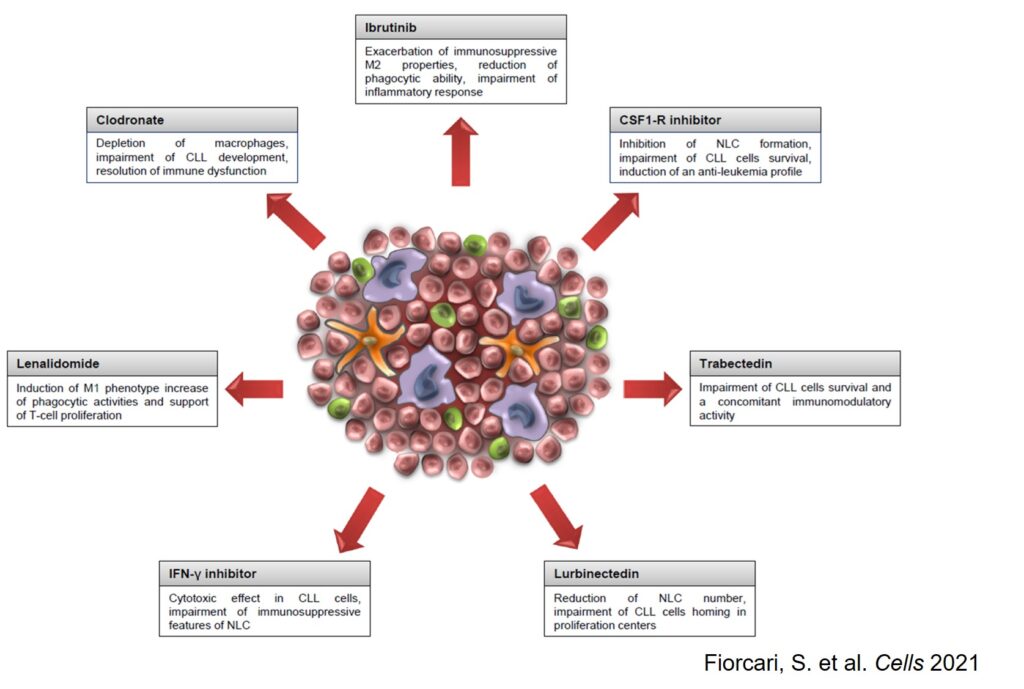
The Translational Research Unit is a team of biologists who support clinicians in taking a comprehensive biological and translational approach to Chronic Lymphocytic Leukemia (CLL) and chronic lymphoproliferative diseases. The team’s research focuses on prognostic and predictive factors of treatment response, the role of the microenvironment in B-CLL pathogenesis and the changes induced by new drugs, and the immunomodulatory effects of novel therapies.
Principal Investigator: Prof. Roberto Marasca, MD